Gum Disease Starts Earlier Than Many People Realize
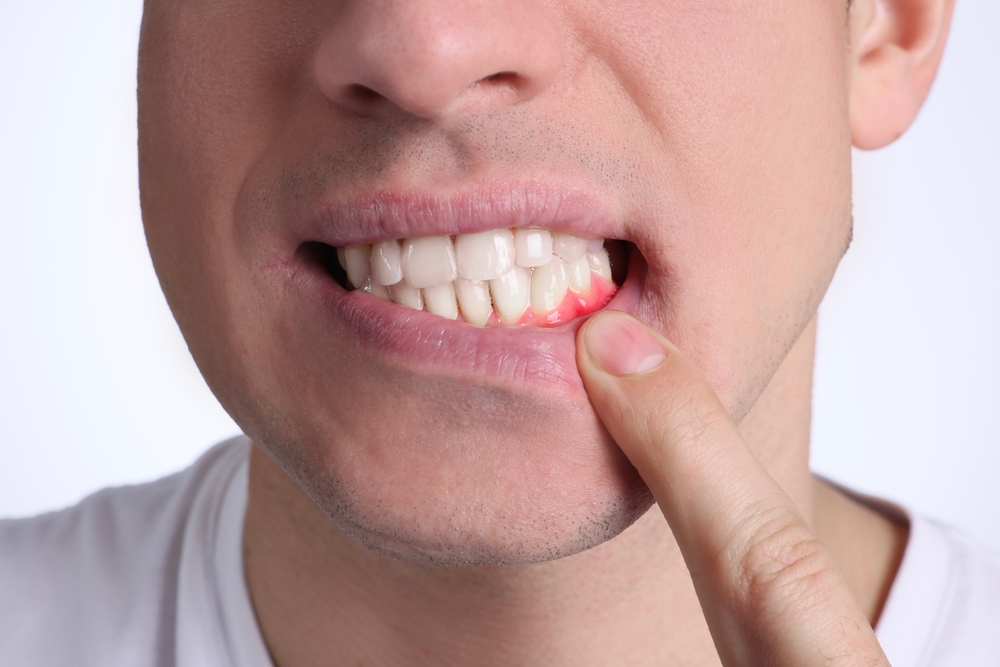
Gum disease is one of the most common oral health concerns, and it often begins quietly. Many patients first notice bleeding when brushing or flossing, mild gum tenderness, or persistent bad breath. These early signs may not seem serious at first, but they can point to gingivitis, the first stage of gum disease.
At Eagle Gate Dental, we help patients in Salt Lake City understand what is happening beneath the gumline so they can protect their teeth, gums, and overall oral health.
What Is Gingivitis?
Gingivitis is the earliest stage of gum disease. It happens when plaque builds up along the gumline and causes irritation. Plaque contains bacteria, and when it is not removed through daily brushing, flossing, and routine cleanings, the gums can become red, swollen, and more likely to bleed.
The good news is that gingivitis is usually reversible with improved home care and professional dental cleanings. At this stage, the bone and deeper structures supporting the teeth have not yet been permanently damaged.
What Is Periodontitis?
Periodontitis is a more advanced stage of gum disease. It develops when gingivitis is not treated and inflammation spreads deeper below the gumline. Over time, the gums may begin to pull away from the teeth, creating pockets where bacteria can collect.
As periodontitis progresses, it can damage the bone and tissues that support the teeth. Without treatment, this may lead to gum recession, loose teeth, tooth loss, and ongoing oral health problems.
Key Differences Between Gingivitis And Periodontitis
Although gingivitis and periodontitis are connected, they are not the same. Understanding the difference can help you know when to seek dental care.
- Gingivitis causes gum inflammation but does not involve bone loss
- Periodontitis affects the deeper supporting structures around the teeth
- Gingivitis is often reversible with proper care
- Periodontitis requires more advanced periodontal treatment
- Both conditions may cause bleeding gums, tenderness, and bad breath
- Periodontitis can lead to loose teeth or tooth loss if left untreated
If you are unsure which stage you may be experiencing, a dental exam can help identify the problem and determine the right next step.
Signs You Should Not Ignore
Bleeding gums are never something to brush off. Other warning signs of gum disease may include swollen gums, gum recession, chronic bad breath, sensitivity near the gumline, changes in the way your teeth fit together, or teeth that feel loose.
Some patients have gum disease without obvious discomfort, which is why regular dental visits are so important. Routine exams allow us to detect early changes before they become more serious.
How Gum Disease Is Treated
Treatment depends on the stage of gum disease. For gingivitis, a professional cleaning, better brushing and flossing habits, and regular dental checkups may be enough to restore gum health.
For periodontitis, we may recommend periodontal therapy to clean below the gumline and reduce harmful bacteria. Ongoing maintenance visits may also be needed to help control inflammation and prevent the condition from getting worse.
Protecting Your Gum Health In Salt Lake City
Healthy gums are the foundation of a healthy smile. Daily brushing, flossing, routine cleanings, and early treatment can make a major difference in preventing gum disease from progressing. If you notice bleeding gums, swelling, or other changes, scheduling a visit can help protect your long-term oral health.
To learn more about gum disease treatment, contact Eagle Gate Dental in Salt Lake City, UT by calling 801-781-5300.
Eagle Gate Dental
Contact Us
We will never share your information
Navigation
Services

Connect with Us
Image of Eagle Gate © Edgar Zuniga Jr. | Please note: some images are of models, not actual patients.
© 2026 Eagle Gate Dental
-
- Powered by: