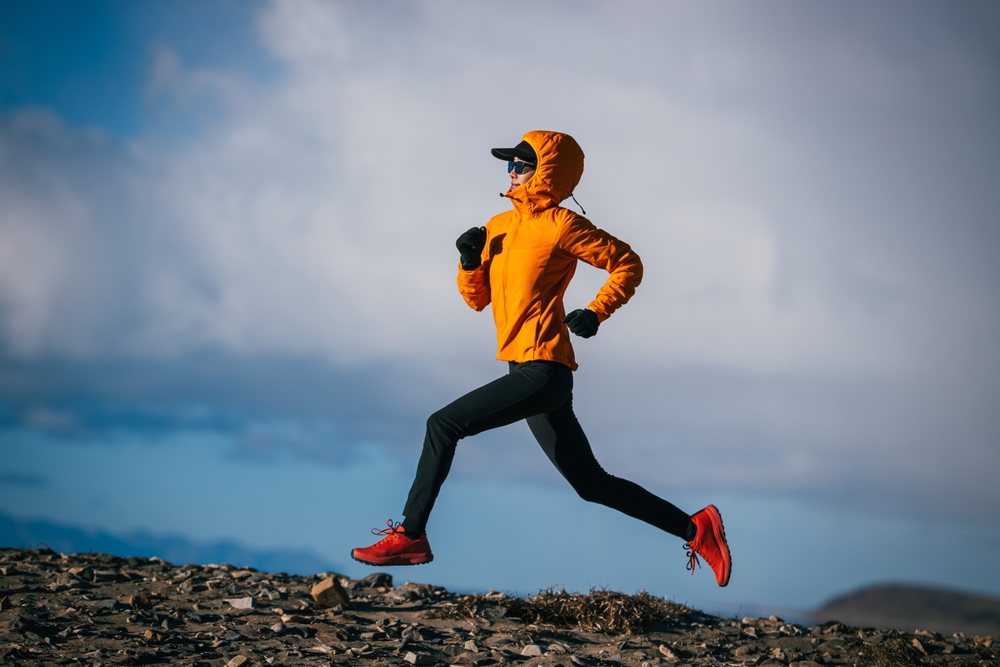
Utah offers countless opportunities for running, hiking, cycling, skiing, and other outdoor activities. However, training at higher elevations can create an oral health problem many active people overlook - dry mouth. Between Utah's dry climate, increased breathing during exercise, and fluid loss, your mouth may not produce or retain enough saliva to protect your teeth effectively.
At Eagle Gate Dental in Salt Lake City, we want our active patients to understand why persistent dry mouth matters and how to protect their teeth while enjoying Utah's outdoors.
Why High-Altitude Exercise Can Dry Out Your Mouth
At higher elevations, breathing rates increase, especially during strenuous activity. Breathing dry air combined with sweating and inadequate fluid replacement can contribute to dehydration. Many athletes also breathe through their mouths while running, cycling, or hiking, which can make oral tissues feel even drier.
Occasional dryness after a difficult workout may not be unusual. Frequent or persistent dry mouth, however, deserves attention because saliva performs several important jobs in maintaining your oral health.
How Dry Mouth Increases the Risk of Tooth Decay
Saliva helps wash away food particles, neutralize acids, and support the natural remineralization of tooth enamel. When saliva flow decreases, acids and cavity-causing bacteria can remain in contact with your teeth longer.
Athletes may face an additional concern if they frequently sip sports drinks, energy products, or other sugary or acidic beverages throughout a workout. When these drinks are combined with reduced saliva, teeth may receive repeated exposure to sugar and acids with less natural protection.
Signs that your workouts may be contributing to dry mouth include:
- A sticky or unusually dry feeling in your mouth
- Thick or stringy saliva
- Frequent thirst during or after exercise
- Dry or cracked lips
- Persistent bad breath
- Increased tooth sensitivity
- New or recurring cavities
Protecting Your Teeth During Outdoor Training
Water is generally the best choice for routine hydration during everyday workouts. If you use sports drinks during longer or more demanding training sessions, avoid continuously sipping them for hours when possible. Drinking water afterward can also help clear sugars and acids from your mouth.
Continue brushing twice daily with fluoride toothpaste and cleaning between your teeth every day. Sugar-free gum may also help stimulate saliva after a workout when appropriate.
It is also important not to assume that every case of dry mouth comes from exercise. Certain medications, health conditions, mouth breathing, and other factors can contribute. If dryness continues even when you are well hydrated, a dental evaluation can help identify possible causes.
When Dry Mouth Needs a Dental Evaluation
If you train outdoors around Salt Lake City and regularly notice dry mouth, tooth sensitivity, changes in your gums, or signs of decay, we can evaluate your teeth and oral tissues and look for problems that may be developing. Catching enamel damage or cavities early can often make treatment simpler and help you stay focused on your activities rather than dental discomfort.
For personalized dental care while maintaining an active Utah lifestyle, contact Eagle Gate Dental at 32 N State St, Salt Lake City, UT 84103 by calling 801-781-5300.
Eagle Gate Dental
Contact Us
We will never share your information
Navigation
Services

Connect with Us
Image of Eagle Gate © Edgar Zuniga Jr. | Please note: some images are of models, not actual patients.
© 2026 Eagle Gate Dental
-
- Powered by: